GM Loses Ground to Toyota as High Prices Reshape US Market
Toyota Motor Corp. and Hyundai Motor Co. are pulling closer to Detroit’s marquee automakers in the U.S. auto market, boosted by demand for gas-electric hybrids and affordable vehicles as average car payments rise well above $800 a month.
Toyota recorded a slight gain in third-quarter sales while deliveries fell 5.5% at General Motors Co., long the top-selling automaker in the U.S.
Surging hybrid sales helped Hyundai and affiliate Kia Corp. each post record volume, potentially positioning the combined South Korean carmaking group to surpass Ford Motor Co. in the most recent quarter. Ford is expected to report sales on Friday.
The results highlight how soaring new-car prices and fuel costs are contributing to a shift in the competitive landscape in the world’s second-largest auto market.
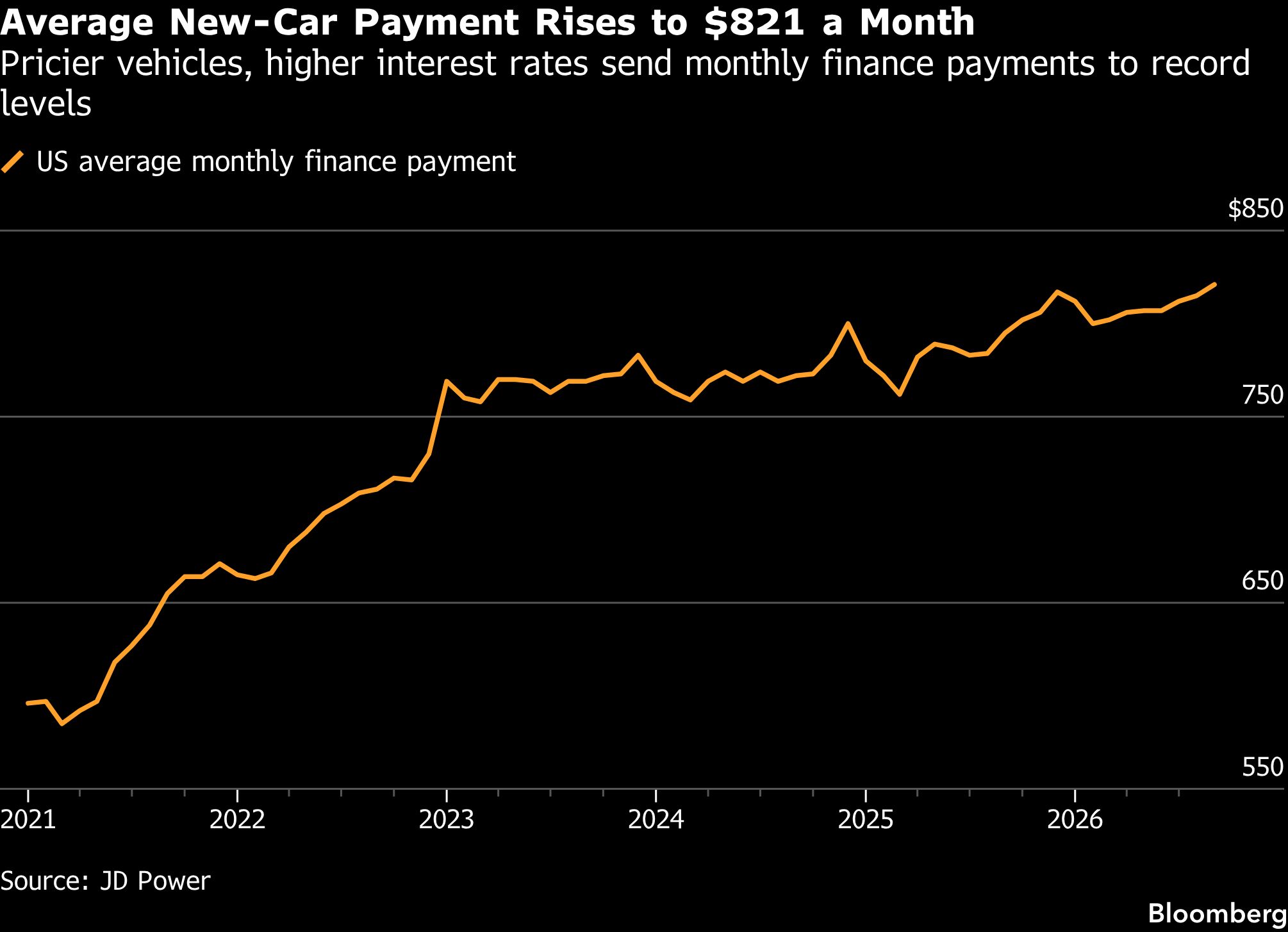
The average selling price for new cars topped $50,000 in August, while average monthly payments likely rose to $821 last month, a record for September, according to researcher JD Power.
Companies such as Toyota and Hyundai are getting a boost thanks to lineups with multiple models that start at less than $30,000 and hybrid offerings. That’s given them an advantage over their Detroit rivals, which don’t have many offerings in those in-demand categories.
“Consumers are dealing with a lot of cost pressure,” said Randy Parker, chief executive officer of Hyundai’s North America business. “They’re trying to figure out how to stretch their dollars. Thank God we never gave up on passenger cars.”
Toyota’s sales rose slightly to more than 633,000 vehicles in the third quarter, including its Lexus luxury division. That put the Japanese automaker within shouting distance of the nearly 671,000 sold by GM.
Toyota’s sales of electrified vehicles including hybrids rose almost 40% in September, while the Corolla compact car was up 5% as buyers look for cheap and efficient options.
Honda Motor Co. said third-quarter deliveries grew 9.3% as hybrid volume set a record. Its sub-$40,000 CR-V, a compact SUV, rose 17%, with gas-electric representing more than half that model’s volume. Deliveries of passenger cars such as the Accord sedan and Civic compact had their best third-quarter since 2020.
“Some consumers who may not have considered a sedan before are now looking at them, maybe due to gas prices,” said Lance Woelfer, vice president of sales at American Honda Motor Co.
A 35% jump in hybrid sales pushed Hyundai to a record third quarter. Gas-electric models now represent almost one-third of the brand’s volume. The South Korean automaker also saw strong growth from its Elantra compact and Sonata mid-sized sedan, which both start for less than $30,000. Sonata sales grew 34% in the quarter.
The annualized rate of U.S. auto sales likely slipped 2.1% to 16.3 million vehicles in the third quarter and is on pace to finish the year slightly down from 2025, according to researcher Cox Automotive Inc. Still, the performance is better than previously expected, forecasters said, highlighting a degree of resiliency as demand for pricier vehicles helps mask the effects of inflation and high interest rates.
Sales of GM’s light-duty pickup trucks grew, helped by a 13% gain by the high-volume Chevrolet Silverado. Chevrolet offered 0% financing for five years to clear out inventory of the current version, which will be replaced by an all-new model later this year.
Ram 1500 pickup sales surged 73% last quarter, helping Stellantis NV blunt a 20% decline at the Jeep brand. The Jeep Grand Cherokee, usually a mainstay for the company, plummeted 30% in the quarter, while the new hybrid Jeep Cherokee SUV showed sales momentum.
“Right now, it’s high-end consumers buying expensive pickup trucks,” said Sam Fiorani, vice president of global forecasting for AutoForecast Solutions. “There is growth in the higher end of the market, but we’ve lost the people making less than $100,000 a year.”
Before the pandemic, the average new vehicle sold for less than $40,000. Automakers also offered hefty discounts and a larger number of compact vehicles priced below $25,000. That helped keep U.S. vehicle sales above 17 million a year for much of the last decade.
Market researchers expect overall U.S. auto sales to finish this year at around 16 million vehicles. That puts carmakers in the position of deciding whether to hold the line on prices to protect profit margins, or dole out more incentives to boost sales.
So far, automakers continue to avoid the steep discounts that were commonplace before the pandemic. But they are starting to budge, spending an average of nearly $3,600 per vehicle, up 7.3% from a year ago, according to JD Power. As a percentage of a vehicle’s sticker price, September incentives likely rose slightly to 6.9%.
Discounts today are rising for gasoline-powered vehicles, according to researcher Mobility Global. Those models now sell with discounts at nearly 9%, even for luxury vehicles.
“Customers are looking at the sticker price even if they are in the premium sector,” Jason Hoff, CEO of Mercedes-Benz North America, said at the Automotive News Congress in Detroit this week.
Forecasters thought the market would be in a much faster retreat given inflation and the Federal Reserve’s recent decision to raise interest rates. The fact that demand is holding up shows that the well-heeled buyers who are less sensitive to high prices are still buying.
Fiorani raised his sales forecast for the year to 16.2 million vehicles from 15.9 million. Cox similarly increased its forecast, based in part on resilient consumers who’ve become accustomed to paying more for cars and are now replacing older models.
“People still need cars,” said Cox Executive Analyst Erin Keating. “People have become fatigued with waiting for new vehicles to become more affordable.”
Top photo: Hyundai Motor Co. vehicles. Bloomberg.
- California’s El Niño Emergency Begins Now as Beaches Erode
- Agentic Intelligence for Claims Dominates New Tech Launches
- Golden Gate Sued Over Insurer’s $2.2 Billion Capital Shortfall
- FBI Investigating Hackers’ Claims of Stealing Employee Data
- The Great Hemp Reset: How the Federal Ban on Intoxicating Hemp Products Will Reshape Risk and Coverage
- The Nation’s Insurance Laboratory: What Liability Trends in California Mean for the Rest of the Country
- Londoners Find ‘Horrendous’ Cracks in Their Homes After Successive Heat Waves
- Florida Bans Flock Cameras, License Plate Readers From State Roads